


The moment someone hears the words “root canal,” they often imagine a painful dental chair, injections, and days of discomfort. That fear can be enough to make people postpone treatment, even when a tooth is already causing trouble.
Modern dental techniques and proper anaesthesia can make root canal treatment much more comfortable than many patients expect. If you have persistent tooth pain, sensitivity, or swelling, getting the tooth examined early can help.
A tooth that hurts when you bite, reacts strongly to hot or cold foods, or keeps waking you at night should not simply be managed with painkillers.
These symptoms can sometimes indicate inflammation or infection inside the tooth. Only a dental examination can determine the actual cause.
We often meet patients who have delayed treatment because someone told them that a root canal is extremely painful.
The truth is more practical: the experience varies from patient to patient, and modern pain-control methods are designed to keep treatment comfortable.
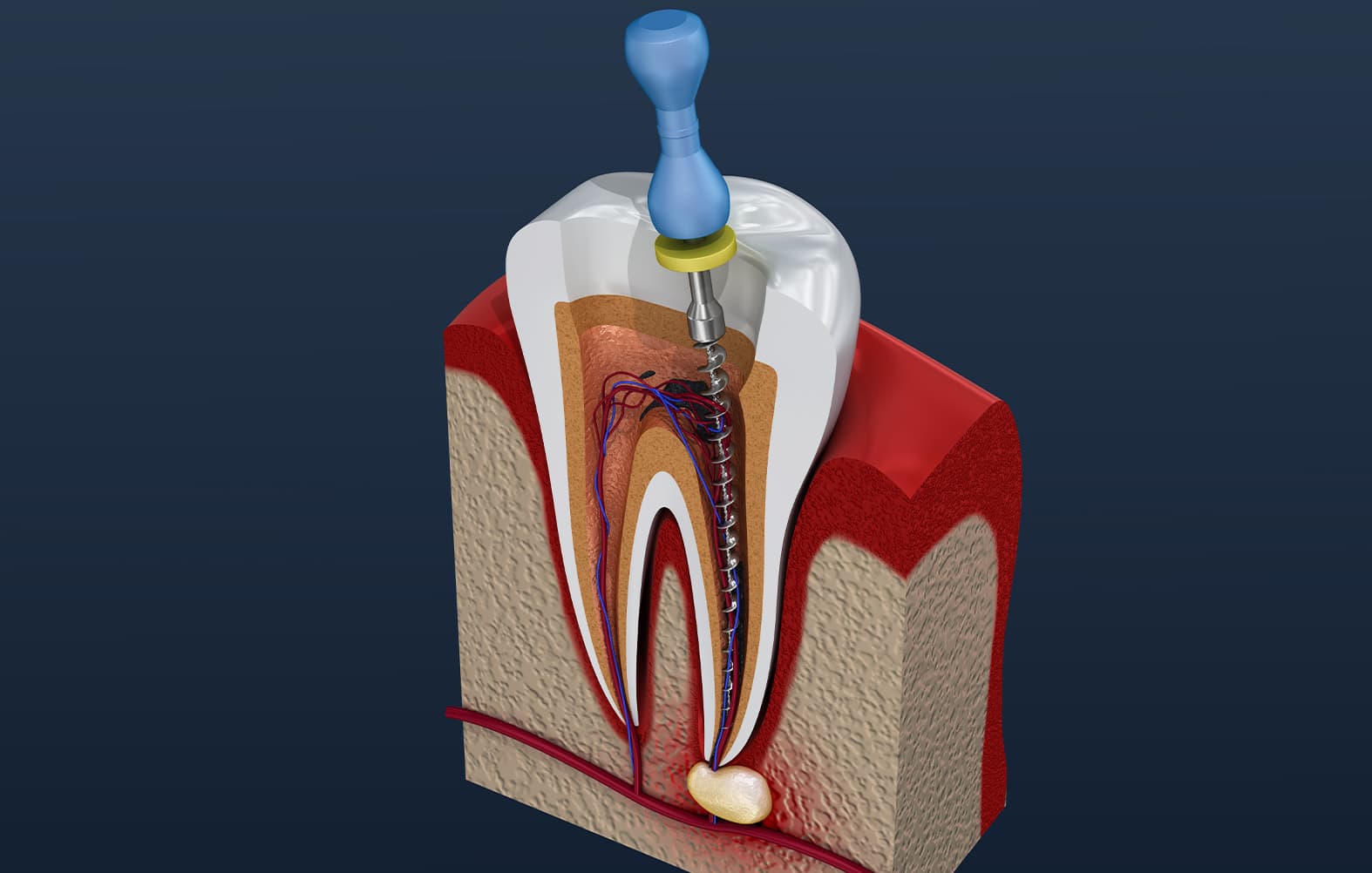
Root canal treatment, or RCT, is performed when the soft tissue inside a tooth becomes inflamed or infected.
The dentist removes the affected tissue, cleans and disinfects the internal canals, fills and seals them, and may place a crown afterward when the tooth needs additional protection.
Before treatment begins, the dentist uses local anaesthesia to numb the area. Your dentist should also check that the area is adequately numb before starting the procedure.
If you feel discomfort during treatment, tell the dentist immediately. Good communication is part of comfortable dental care.
A dental consultation may be appropriate if you experience:
Severe or persistent toothache
Pain while chewing or biting
Long-lasting sensitivity to hot or cold
Swelling around a tooth
Tender or swollen gums
A darkened tooth
A recurring dental infection
A damaged tooth with deep decay
Not every toothache requires an RCT. Diagnosis is important because similar symptoms can have different causes.
The phrase “painless root canal” should not mean a promise that every patient will feel absolutely nothing.
Dental treatment experiences differ. The more useful question is whether the clinic has appropriate pain-control methods, careful technique, good communication, and a proper treatment plan.
A responsible dentist should explain what you may feel during and after treatment instead of making unrealistic promises.
We have seen nervous patients arrive expecting the worst after postponing an RCT for weeks. Once the tooth was properly examined and the treatment was explained step by step, their biggest concern often became much simpler: they wanted to know whether they would be comfortable during the procedure.
Breaking the treatment into clear stages helped reduce uncertainty and made the experience easier to manage.
When an infected or severely inflamed tooth is left untreated, the problem may become more complicated. In some situations, the infection can spread to surrounding tissues.
Early assessment does not guarantee that a tooth can always be saved, but it gives the dentist an opportunity to determine the most suitable treatment before the condition progresses further.
For patients searching for Painless RCT in DLF Phase 5, focus on diagnosis, anaesthesia, infection control, treatment planning, and aftercare—not just the word “painless.”
Before your procedure, ask:
How damaged is my tooth?
Do I definitely need an RCT?
Will local anaesthesia be used?
Will I need a crown afterward?
How many appointments may be required?
What should I expect during recovery?
Understanding the process can make dental treatment feel much less intimidating.
The World Health Organization reports that oral diseases affect nearly 3.7 billion people globally, showing how common dental conditions remain worldwide.
This is one reason persistent dental symptoms should not be dismissed as something everyone simply has to live with. Early assessment can help identify the problem and appropriate treatment options.
Smile Miles Dental & Aesthetic provides restorative and preventive dental care, including root canal treatment, crowns, fillings, implants, and cosmetic procedures. Our approach is to explain the condition clearly, discuss suitable options, and help patients feel comfortable throughout their treatment journey.
RCT can help remove infected or inflamed tissue from inside a tooth and preserve the natural tooth when it is suitable for treatment.
Appropriate local anaesthesia and careful treatment techniques can help reduce discomfort during dental procedures.
Selected cases may be suitable for completion in one appointment, depending on the tooth, infection, anatomy, and clinical situation.
A tooth that has undergone RCT may need a crown or another restoration to provide additional protection, depending on its condition.
Severe toothache, swelling, or dental trauma may require prompt assessment rather than continued use of painkillers alone.
Modern anaesthesia can make the procedure comfortable for many patients, although some sensitivity or soreness may occur afterward.
Treatment time varies depending on the tooth and its condition. Some cases can be completed in one appointment, while others require more visits.
Not every tooth automatically needs the same restoration. Your dentist will assess the amount of remaining tooth structure and the forces placed on the tooth before recommending a crown or another restoration.
If tooth pain has been making you nervous about visiting the dentist, do not let fear decide what happens next.
Book a consultation at Smile Miles Dental & Aesthetic and have the tooth properly examined. Understanding your condition and treatment options is the first step toward getting comfortable, appropriate dental care.
| Tags: | # Painless RCT in DLF Phase 5 , # Painless RCT in Golf Course Road, # Painless RCT in DLF Phase 1 , # Painless RCT in DLF Phase 2 |


